No
Obesity is a complex chronic condition influenced by genetics, environment, behavior, and community supports. In Nebraska and across the U.S., obesity affects millions of adults and children and increases the risk for serious health concerns like heart disease, stroke, type 2 diabetes, and certain cancers. A combination of healthy eating, regular physical activity, stress management, and supportive environments can help individuals achieve and maintain a healthy weight.
The Chronic Disease Prevention and Control Program uses state and federal funds to align with the Healthy People 2030 objective (NWS‑03), which aims to reduce adult obesity rates nationwide. We collaborate with partners statewide to advance evidence‑based approaches that promote healthy eating, active living, improved food access, and supportive environments. Our hghelp strengthen these efforts through education, community outreach, and connections to local resources that support healthy weight.
Understanding Obesity
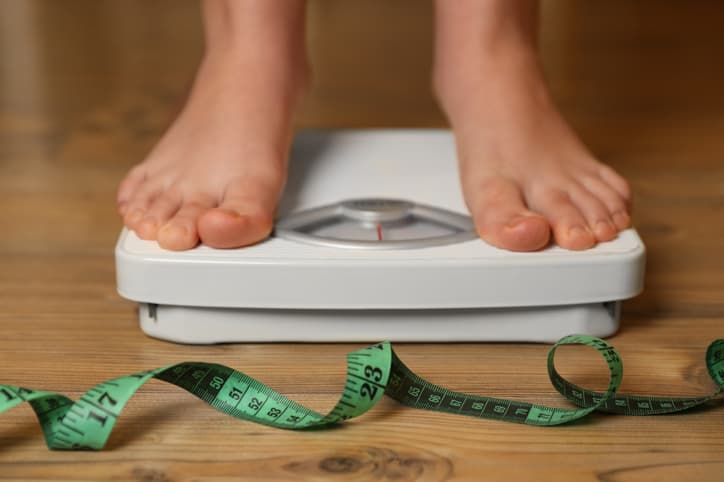
Obesity is typically measured using Body Mass Index (BMI), an estimate based on height and weight.
- Overweight: BMI 25–29
- Obesity: BMI 30 or higher
- Severe obesity: BMI 40 or higher
More than 2 in 5 U.S. adults have obesity, and nearly 1 in 5 children are affected. These numbers reflect the complexity of maintaining a healthy weight in modern environments where nutritious foods and safe activity spaces aren't always accessible
Health Impacts
Obesity increases the risk of many health conditions, including:
- Type 2 diabetes
- High blood pressure
- Heart disease
- Stroke
- Fatty liver disease
- Ostoarthritis
- Some cancers
- Breathing and sleep-related issues
Reaching and maintaining a healthier weight can reduce or even reverse many of these risks.
Factors That Influence Weight
Weight is shaped by more than individual choices. Influences include:
- Access to healthy and affordable foods
- Safe spaces for physical activity
- Stress, sleep, and mental health
- Genetics and family history
- Medications or medical conditions
- Community design and transportation options
- Breastfeeding support and early childhood environments
These factors highlight why community partnerships and supportive environments are essential for long-term success.
Physical Activity & Nutrition Guidelines
Physical Activity:
Adults need at least 150 minutes of moderate‑intensity aerobic activity per week (for example, 30 minutes a day, 5 days a week), plus muscle‑strengthening activities on 2 or more days per week. Children and adolescents aged 6–17 need at least 60 minutes of moderate‑to‑vigorous physical activity daily, including aerobic, muscle‑strengthening, and bone‑strengthening activities spread throughout the week.
Nutrition:
Follow the
Dietary Guidelines for Americans 2025–2030:
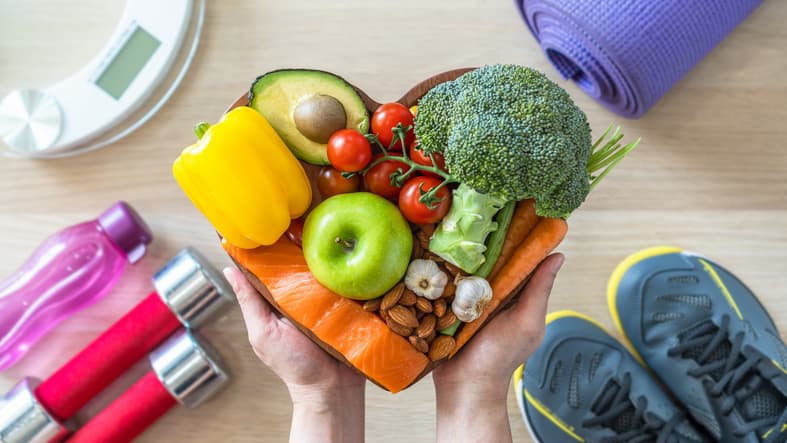
- Emphasize whole, nutrient-dense foods like vegetables, fruits, whole grains, lean protein, dairy, legumes, nuts, and healthy oils.
- Limit added sugars, saturated fat, sodium, and highly processed or refined carbohydrates.
- Aim for a colorful variety of foods, choose whole foods over processed options, and avoid sugary drinks.
Practical Ways to Support a Healthier Lifestyle
Small, everyday choices can support long-term weight and wellness:Limit sugary drinks and processed foods.
- Aim for regular physical activity throughout the week.
- Prioritize sleep and manage stress in healthy ways.Talk with your healthcare provider about weight-related concerns.
- Get involved in local walking groups, gardening programs, community recreation, or other active opportunities.
- Create a supportive home environment by keeping healthy foods visible and limiting high-calorie snacks.
- Build routines that make healthy choices easier, such as planning meals or scheduling active breaks.
Communities and organizations can also use evidence-based strategies to promote healthier environments.
Resources
Visit our
resources page for trusted information and tools related to obesity prevention, healthy eating, physical activity, weight management, and supportive environments.